Why Glare Mitigation Matters More Than Ever for Solar Installers
Glare mitigation is emerging as a key competitive advantage for solar installers, supporting safer, more compliant, and community-friendly solar projects.
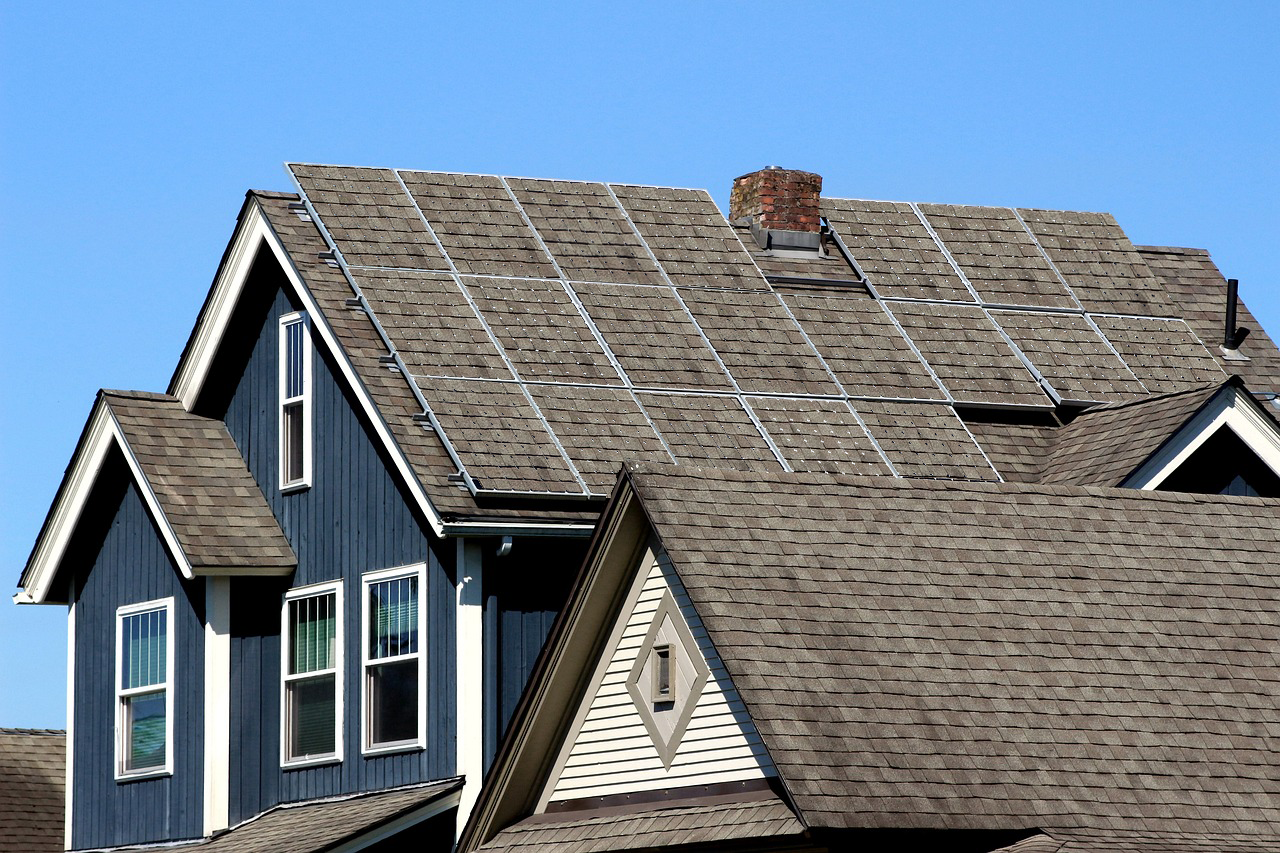
Solar is a growing industry in the United States and Canada. As solar adoption continues to expand across residential neighborhoods, commercial rooftops, airports, and utility-scale solar farms, glare mitigation is becoming an increasingly important part of project planning and long-term customer satisfaction.
For solar installers, glare concerns are no longer limited to rare edge cases. Homeowners, municipalities, airports, HOAs, and commercial property owners are affected by reflected sunlight from solar panels and how it impacts nearby homes, traffic corridors, pilots, and public spaces. Understanding glare mitigation strategies can help installers reduce project risk, improve customer confidence, and avoid costly redesigns or disputes after installation.
What Is Glare Mitigation?
Glare mitigation refers to the process of reducing unwanted sun reflections from solar panels that could negatively affect nearby people, buildings, vehicles, or aircraft. While modern photovoltaic panels are designed to absorb sunlight rather than reflect it, some reflected light is unavoidable. Sun glare off solar panels can be affected by the solar panel angle, panel orientation, time of day, seasonal sun position, surrounding structures, and installation height. Effective glare mitigation combines smart design, site analysis, and proper material selection to minimize these impacts before installation begins.
Why Solar Installers Should Care About Glare Mitigation
For many years, glare concerns were primarily associated with airports and utility-scale solar developments. Today, residential rooftop density and commercial solar expansion are increasing the likelihood of glare-related complaints in suburban and urban environments.
Solar installers who proactively address glare mitigation can benefit from faster project approvals, fewer homeowner complaints, improved HOA relationships, better municipal permitting outcomes, and a stronger reputation with commercial developers. In some areas, glare studies are now required before projects can move forward.
Residential Solar and Growing Glare Concerns
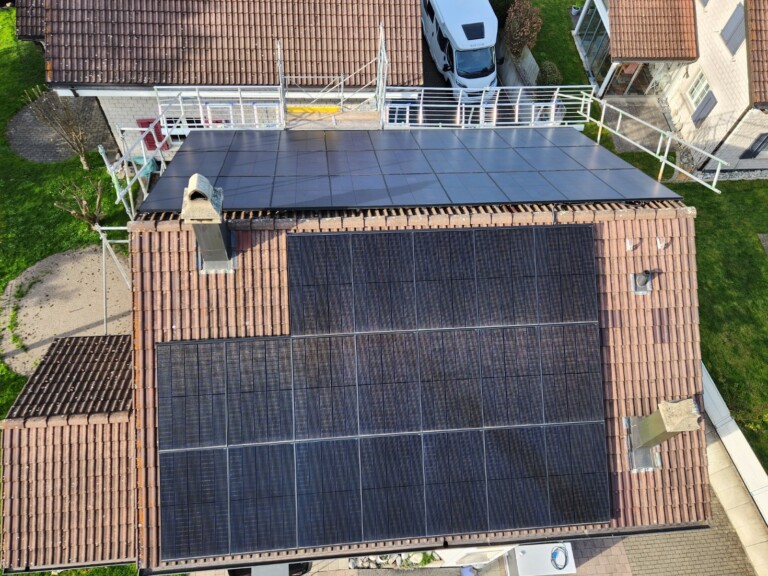
Rooftop solar panels on residential structures and home are heavily concentrated in metro areas in the western and southern United States. Concerns from neighboring properties arise as rooftop density increases from reflected sunlight entering windows, outdoor spaces, and roadways.
Most residential glare disputes are resolved informally, but installers are increasingly being asked questions. Will these panels reflect into my neighbor’s home? Can glare impact nearby drivers? Could my HOA reject the installation? Installation companies that can confidently explain glare mitigation strategies position themselves as more knowledgeable and professional partners.
Airport Solar Projects and FAA Glare Requirements
Airport solar installations represent one of the most regulated areas of glare mitigation. In the United States, the FAA requires glare analysis for many airport-adjacent solar projects to ensure reflections do not interfere with pilots during approach and takeoff, air traffic control tower visibility, and ground operations.
Specialized glare analysis software such as SGHAT (Solar Glare Hazard Analysis Tool) is commonly used to evaluate potential reflection hazards. When installers are working near airports, military airfields, heliports, or transportation corridors, glare mitigation planning should begin during the earliest stages of site design.
Common Glare Mitigation Strategies
When glare mitigation is necessary on new and existing solar panel installations, using a glare mitigation film like PVP no-reflect can provide a cost-effective solution. PVP no-reflect has been shown to reduce glare by a factor of 10 and makes solar panel installations more comfortable, compliant, and community friendly. Compared to replacing solar modules or redesigning arrays, PVP no-reflect is a budget friendly way to meet aesthetic, safety, or approval requirements without large redesign costs.
Glare Mitigation Is Becoming a Competitive Advantage
As municipalities and property owners become more educated about solar infrastructure, installers who understand glare mitigation will stand out from competitors focused solely on pricing. Many forward-thinking solar companies are beginning to include glare considerations during sales consultations. These companies are training project designers on reflection analysis and coordinating with engineers earlier in the development process. Glare mitigation steps are being presented in proposals as a proactive approach to reduce the reduce friction during approvals and strengthen customer trust.
The Future of Glare Mitigation in Solar
The solar industry is moving toward denser deployment in residential neighborhoods, urban commercial rooftops, transportation infrastructure, and public spaces. As adoption increases, glare mitigation will likely become a more standard component of permitting, engineering reviews, HOA approvals, environmental assessments, and aviation safety evaluations. Installers who adapt early will be better positioned to support larger and more complex projects in the future.
Glare mitigation is no longer just an aviation issue or utility-scale concern. It is becoming an important consideration across the broader solar industry, especially as rooftop density continues to grow in major metro areas. For solar installers, incorporating glare mitigation into project planning can help improve project outcomes, reduce customer concerns, streamline approvals, and protect the long-term reputation of companies. As the industry evolves, glare-aware solar design is quickly becoming part of best practices for responsible installation.
Related Products
PVP no-reflect